

Let’s be real — display homes are like Tinder dates with candles: seductive lighting, flattering angles, and absolutely no indication of what they look like under fluorescents.
And just like those dates, the morning‑after reality hits hard.
Every time someone tells me their home “just doesn’t feel like the display,” I pour a wine, smile knowingly, and whisper: “Darling, you fell for the lighting lie.”
The good news? You can reverse engineer the illusion — and actually create a home that glows with soul, not sales tactics.
Display homes feel divine. Your finished home? Somehow… doesn’t.
You followed the floor plan. You picked the same benchtops. You even splurged on that feature tile. But when you walk through your new space at night, it feels a bit — flat.
It’s not your fault. It’s not your taste. It’s lighting.
The Grand Illusion of the Glow
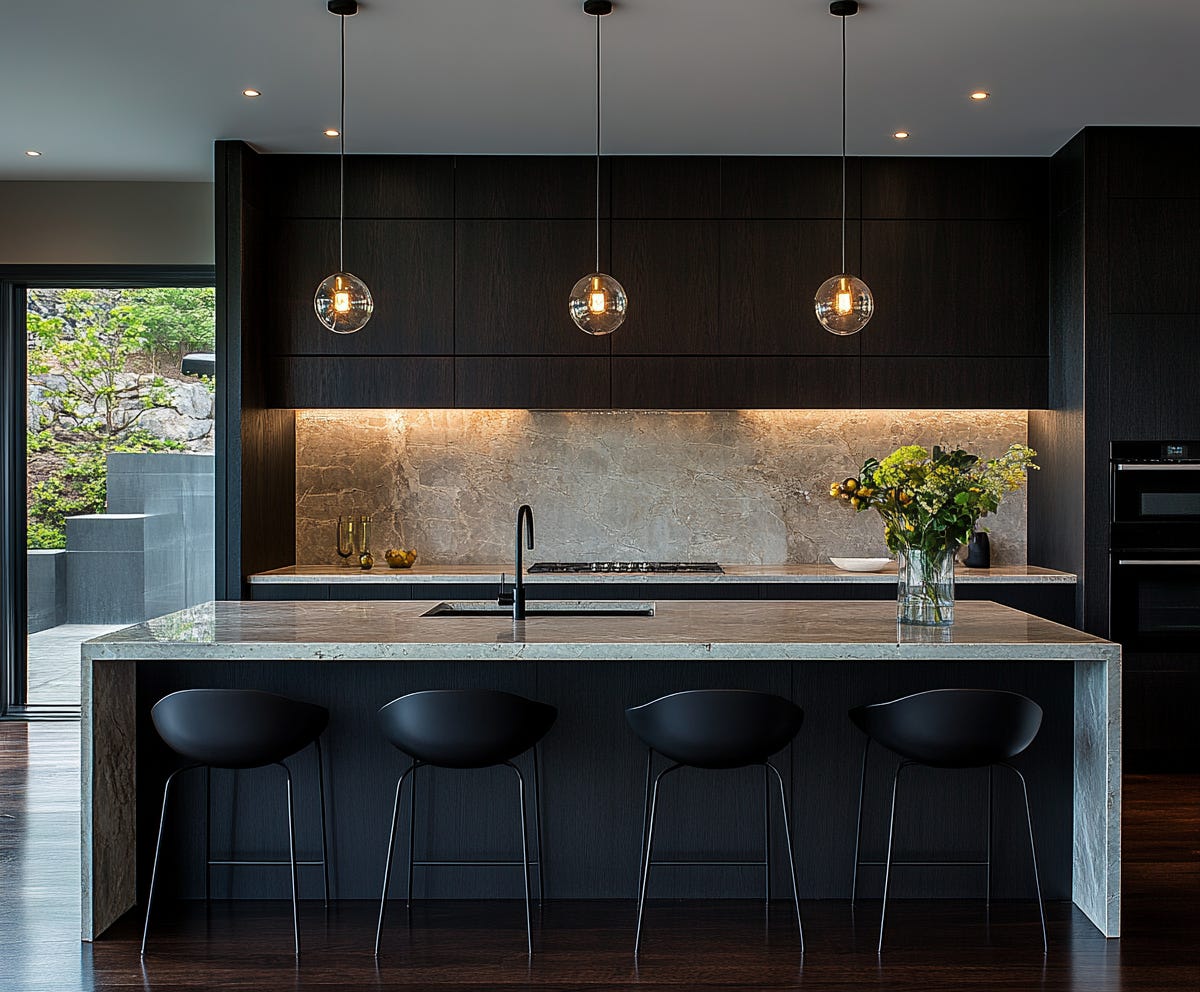
Display homes are designed to seduce, not sustain. They’re sensory theatre studios disguised as real homes — downlight symphonies, strategic wall washes, and golden-tinted glows built to whisper “move in and be happy forever.”
But behind that sculpted sparkle? Stagecraft.
Excessive downlights to flatten the space and erase natural shadows.
Warmer light temperatures (2700K–3000K) that make everything look rich and honey-tinted.
Specialty setups — LEDs in pelmets, picture lights, task lighting — that are not included in your actual contract.
No thought whatsoever for how that same “gorgeous space” feels at 8pm on a Tuesday when you’re doing the dishes under cold white beams.
You’re being sold atmosphere. You’ll be handed infrastructure.
Why Lighting Matters More Than Benchtops
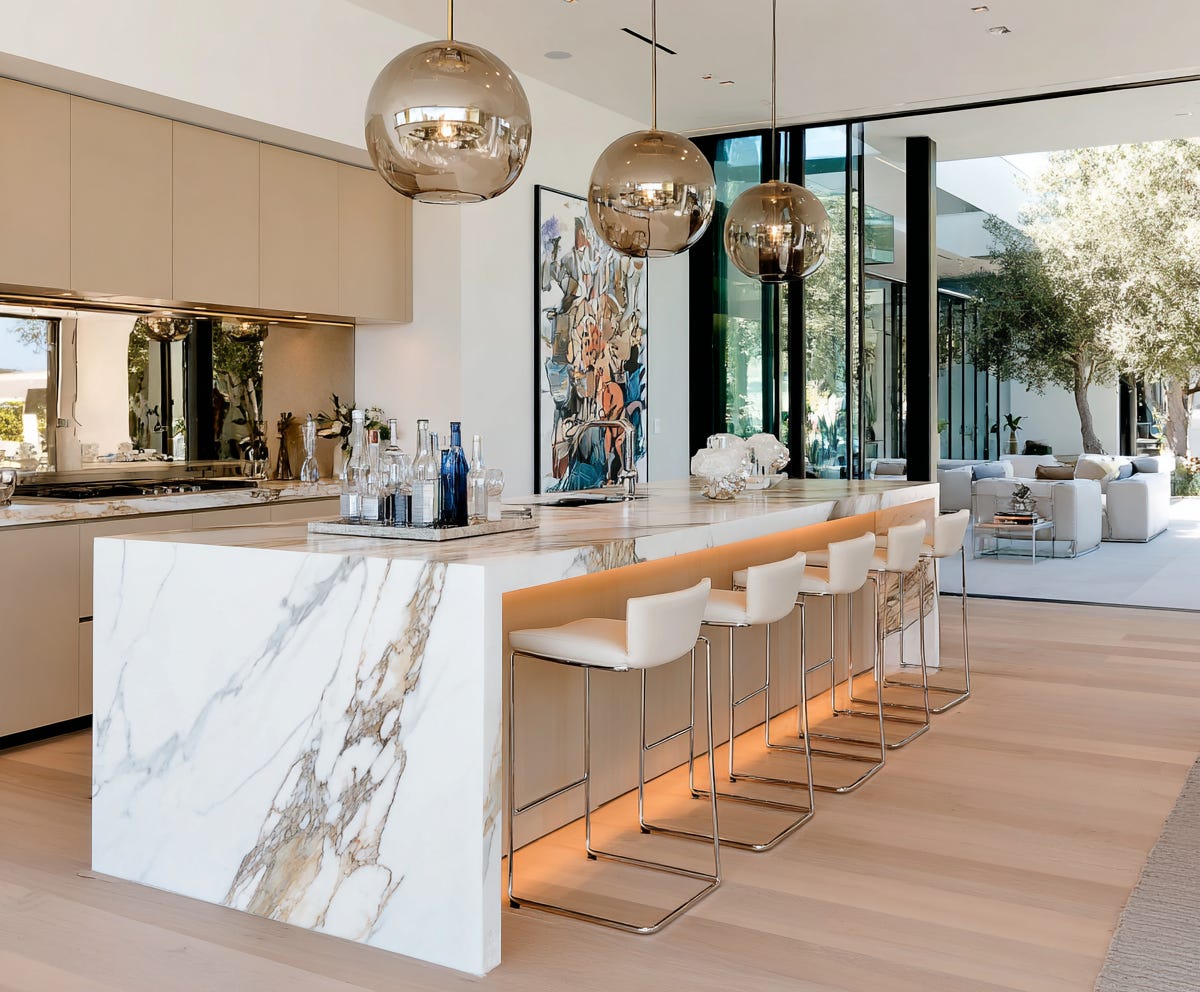
Lighting doesn’t just help you see your home — it helps you feel it.
It affects how:
spacious your rooms appear.
luxurious your finishes look.
calm or chaotic your nervous system feels inside them.
You can have marble, timber, and velvet cushions galore, but if the lighting’s wrong, it all skews synthetic and soulless.
Get it wrong, and no amount of styling magic or moody scented candles will save the vibe.
Did You Know…
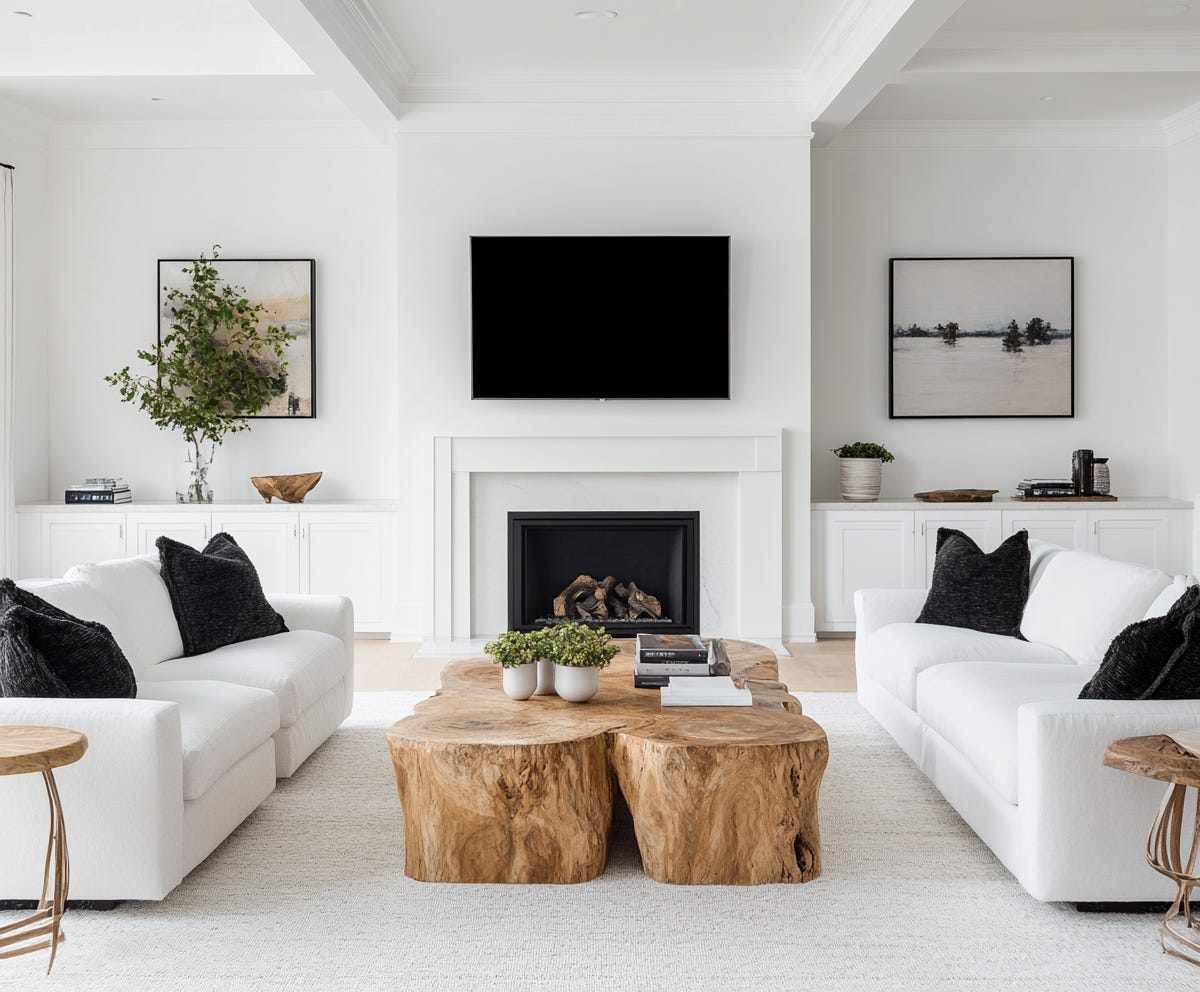
Lighting is the only design element buyers feel before they think. It bypasses logic and dives straight into emotion. That’s why builders abuse it — because you’ll fall in love before your brain clocks the flaws.
What You Can Do (And Why It Matters)
Before you sign on that dotted line for your new build or reno:
Audit the lighting plan. Ask what’s included, what’s additional, and what colour temperature each fitting uses.
Layer it. Combine general, task, and ambient lighting before you fall for the “wall of downlights” trap.
Demand a night-time walkthrough — because daytime display drama rarely survives after dark.
Invest in dimmers. They’re small upgrades that completely change your emotional connection to a room.
Download my FREE Design-Build Proposal Checklist and ensure you are getting what you think you are paying for.


Want the full breakdown?
I’ve written a deeper, practical exposé on why display home lighting can’t be trusted — and how to avoid expensive regret.
Read it here:
https://www.plushdesigninteriors.com.au/why-you-should-never-trust-a-display-homes-lighting
Explore how I can help you design a home with real atmosphere — not just sales-floor staging. Book a two-hour Design Power Session - in person or on-line - to review your plans, problems, and possibilities when buying or renovating a home.
If You Scrolled Too Fast (rude… but OK)
Display homes use lighting psychology, not reality.
You’re sold mood, delivered infrastructure.
Lighting changes how you feel about your home — it’s more powerful than finishes.
Audit lighting plans before you sign a build contract.
Your dream home deserves real light, not fake theatre.
Book A Design Power Session : One Focused Meeting. Game-Changing Clarity.
Don’t let your dream home get dulled by dodgy downlights or “builder‑standard” blandness. If your home feels flat — or your plans read like a lighting graveyard — it’s time to call in backup.
My DESIGN POWER SESSION is your 90‑minute, no‑BS, deep‑dive into why your home’s vibe isn’t vibing — and exactly how to fix it. We’ll audit your design, elevate your lighting, and plan the kind of ambience that makes your guests gasp (not politely smile).
Ready to turn on the good light? Book your Design Power Session now.
Because if your home doesn’t feel ‘wow’ every day, what’s the point of owning it?
Love, Penelope xx - Interior Designer and Anti-Blah Campaigner
FAQ’s: The Lighting Lie, Exposed
Why do display homes look so much better than real homes?
Because they’re not “real” — they’re theatre. Builders use layered, warm lighting and borderline cinematic setups to create emotional buy‑in. Real homes aren’t built or budgeted for that kind of show lighting unless you design it intentionally.
What lighting tricks do display homes use to manipulate mood?
Think: warmer colour temperatures (2700–3000K), too many downlights, clever shadow control, and hidden ambient glows in pelmets and joinery. These create instant drama and allure — but they’re expensive to replicate and rarely included in standard contracts.
Why doesn’t my finished home feel as cosy as the display?
Because your builder handed you the skeleton, not the soul. You got the wiring plan, not the lighting design. Without targeted layering, dimming, and warmth, your home will always feel flat and clinical after dark.
Can I ask my builder to match the display home lighting?
You can, but brace yourself: those upgrades cost extra and aren’t always specified. Ask for the actual light fittings, lumen outputs, and colour temperatures used — not just “warm white” or “cool white.” Detail is everything.
What colour temperature should I choose for a luxe, inviting feel?
Start between 2700K and 3000K — that’s the glow zone. It flatters skin tones, textures, and natural finishes. Anything higher (3500K–4000K) starts feeling like a shopping centre food court — sterile, not sexy.
What are common lighting mistakes homeowners make?
Relying solely on ceiling downlights, ignoring dimmers, forgetting bedside switches, and skipping feature or task lighting. It’s like dressing in beige from head to toe — safe, but utterly lifeless.
How does poor lighting affect mood and wellbeing?
Lighting impacts your circadian rhythm, serotonin levels, and perception of comfort. Cold, bluish light triggers alertness and anxiety; warmer light fosters relaxation. Translation? The wrong lighting can literally stress you out in your own house.
What’s the easiest way to fix bad lighting without rewiring?
Swap bulbs to warmer tones, add floor and table lamps for depth, and install smart bulbs or dimmers where possible. Small tweaks = big emotional difference — it’s design psychology you can feel instantly.