
The Affair Between Floorplan and Furniture Layout
If your floorplan and furniture haven’t met, your home renovation is already cheating on you.

Here’s the brutal truth: most renovation plans are drawn up like a dating profile with no photos – all promises, no proof.
You get a glossy floorplan from a builder or draftie, you squint at the little lines and go, “Yep, that looks big enough,” without a single thought for your actual sofa, dining table, or that king bed you refuse to downgrade.
Then demo day arrives, the dust settles, and suddenly your “open-plan paradise” can’t fit a decent couch without blocking a doorway. Awkward!

Floorplan and furniture layout are not two separate stages. They are lovers. They’re meant to be in the room together from day one, whispering sweet nothings about dimensions, clearances, and sightlines.
If you’re signing off on plans before your furniture layout is sketched, measured, and bossing those walls around, you’re not “planning” – you’re gambling with your future comfort, flow, and style. And spoiler alert: the house usually wins.
When furniture isn’t considered first, you end up with too-narrow walkways, power points in bizarre places, windows that don’t line up with your sofa, and TV walls that can’t actually take a TV without strange neck angles.
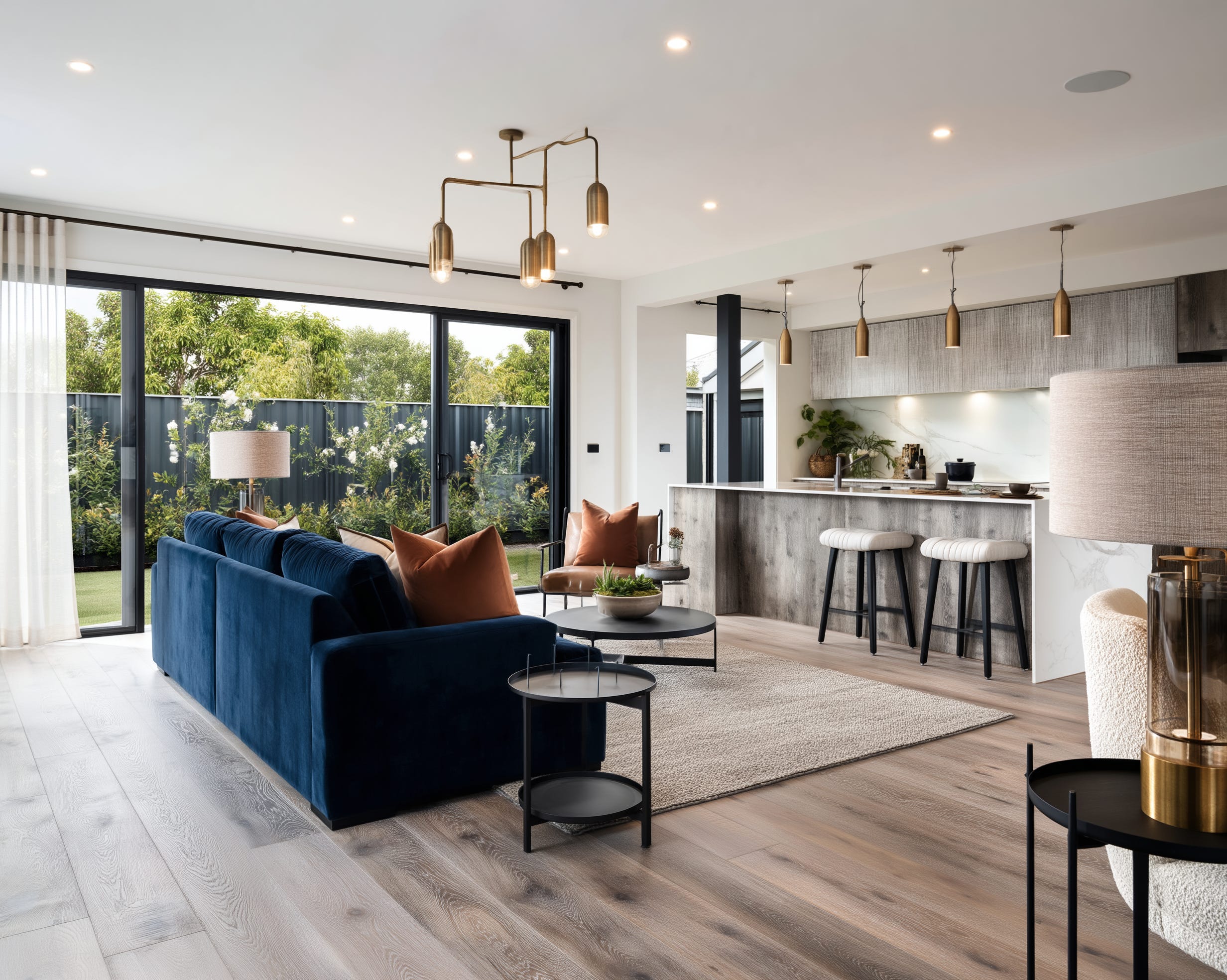
That’s when people panic-buy bland, underscaled furniture to make the plan “work” – not because they love it. Vanilla couches are born from bad floorplans, not bad taste.
A no-vanilla renovation starts with your real life and your real furniture: how you sit, gather, stretch out, binge-watch, host, nap, and dump your handbag at the end of the day.
Your furniture layout should be the diva in the room, and the walls, windows and doorways are the supporting cast. If a wall doesn’t allow a decent sofa, a proper dining table or a calm bedroom layout… the wall needs to go, not your lifestyle.
So if you’re flirting with a renovation and your furniture layout isn’t already front and centre, consider this your intervention.
Your floorplan should be designed in service to the way you live – not the other way around.
Because if your floorplan and furniture haven’t met, your home renovation is already sneaking around behind your back with compromise, regret, and a very beige sofa.

Stop Cheating On Your Future Sofa
If you’re about to sign off on plans and haven’t seen a proper furniture layout, step away from the pen.
You deserve more than a generic box that might fit something “around about there”. You deserve a home where the walls and windows were drawn because of your furniture, not despite it.
This is exactly where I come in. I design floorplans and furniture layouts together – like the scandalous power couple they are – so your renovation supports real rooms, real furniture, and a very real life, not just a pretty plan. If you want to:
Nail that dining zone so guests and chairs can actually move.
Make your bedroom feel like a sanctuary, not a storage unit with a bed jammed in.
Position power, lighting and windows to flatter your furniture, not fight it.
…then you need a designer in your corner before the builder gets too carried away.
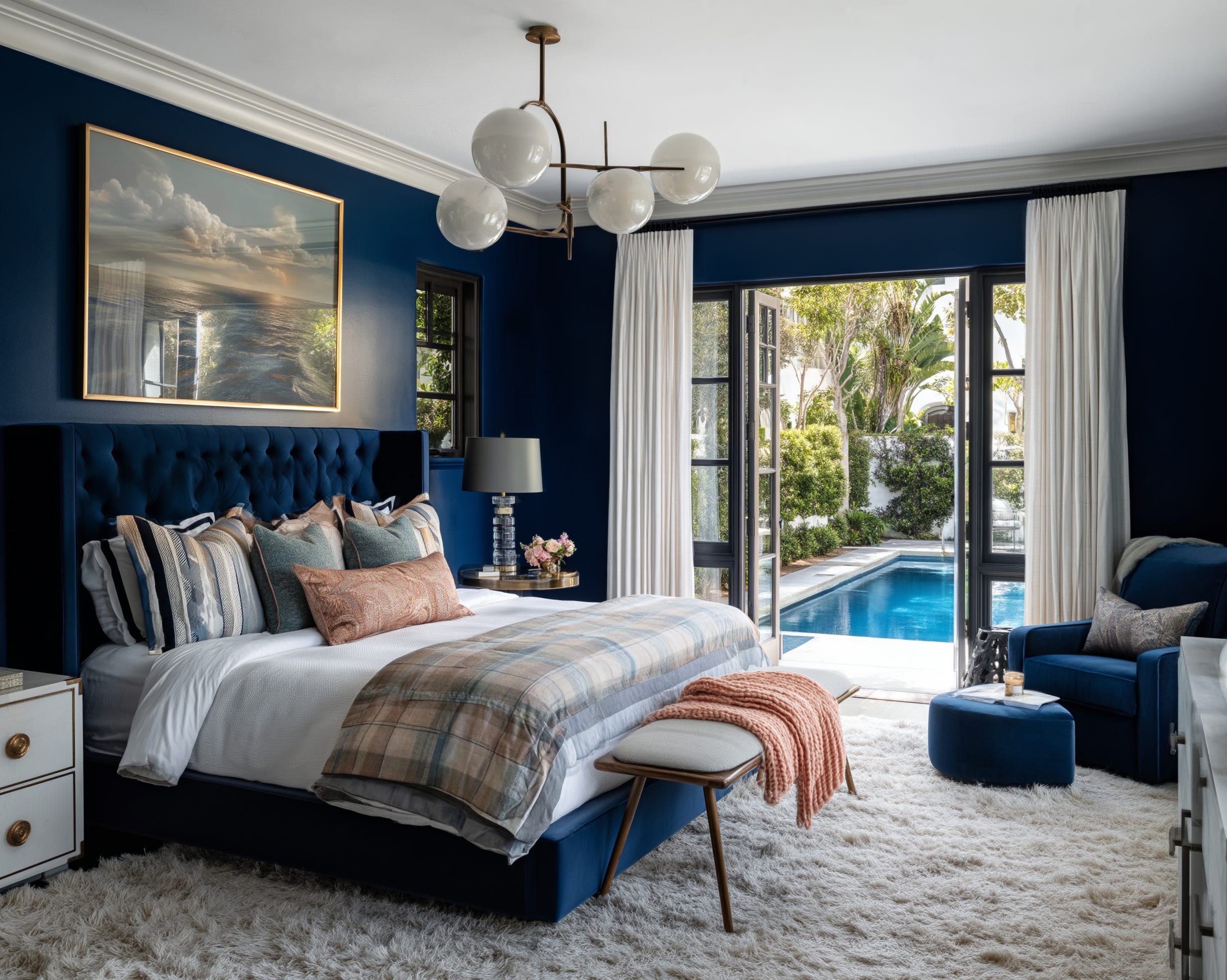
Ready to stop cheating on your future home with “near enough is good enough” plans?
Book a design power session with me and let’s make your floorplan and furniture lay it all bare – no more guesswork, no more vanilla.
Or if you’re early days and still juggling ideas, start by mapping your furniture first, then we’ll reshape the walls to behave.
Your Sofa Deserves a Say
If your plans don’t show a sofa, a dining table, and an actual place for a human to put their butt… they’re not finished. They’re a sketch. Until your furniture layout is on the page, your floorplan is just flirting with potential.
The real commitment happens when we see how you sit, gather, dump your bags, and stretch out on a Sunday afternoon – then let the walls and windows rearrange themselves to serve that.
This is literally what I do with Plush Design Interiors clients: we put the furniture in the room on paper before the room exists in real life. We check clearances, walkways, focal points and power locations, and we call out any wall that’s misbehaving.
Your layout becomes a love letter to your lifestyle, not a homework exercise in “fitting things in later”.
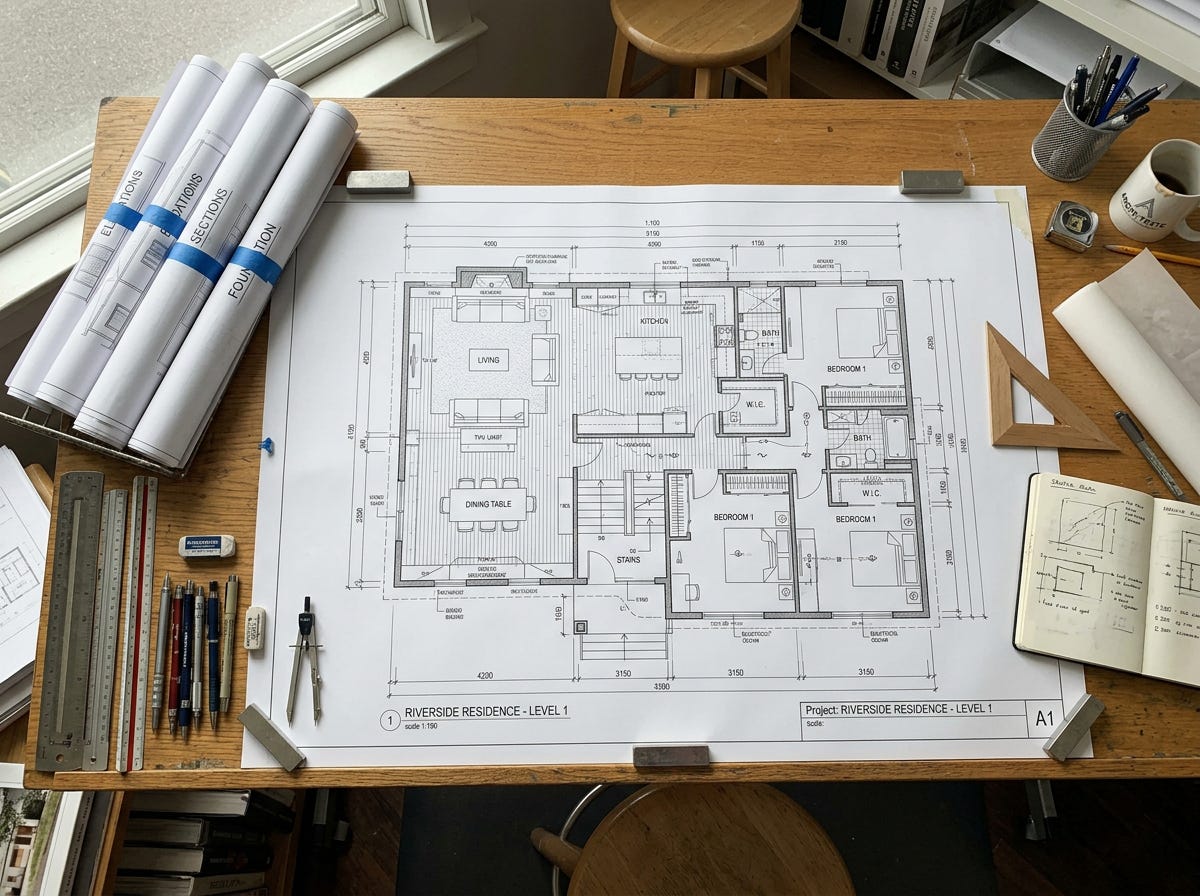
So, if you’re staring at a floorplan and thinking, “But where does the sofa actually go?”, that’s your sign. Before you sign anything else, get your furniture into the conversation.
Your floorplan and furniture are having an affair whether you acknowledge it or not – I just make sure it’s a healthy, long-term relationship and not a fling that ends in a beige rebound couch.
Love, Penelope xx
FAQs: Floorplan, Furniture and No-Vanilla Renovations
1. Why should I think about furniture before finalising my floorplan?
Because your furniture is how you use the space. A floorplan without furniture is just theory; your sofa, bed, dining table and chairs reveal whether those dimensions and doorways actually work in real life. When you plan furniture first, your renovation supports your lifestyle instead of forcing awkward compromises later.
2. Can’t I just buy furniture to suit the plan after the renovation?
You can, but that’s how you end up with generic, undersized, “that’ll do” pieces instead of furniture you truly love. If the room isn’t designed to fit a comfortable, correctly scaled sofa or dining table, you’ll be stuck shopping within the limitations of a bad layout. Design the room around the furniture type and scale you actually want, not the leftover space.
3. What measurements do I need before I start planning?
You’ll want the real dimensions of key pieces: sofa length and depth, bed size (including bedhead), dining table length/width, chair clearance, and any hero items like a piano, sideboard, or armchairs. Add realistic circulation space around them so people can walk through, sit, pull out chairs and open doors without gymnastics.
4. How does furniture layout influence windows and doors?
Big time. Window placement affects where you can put beds, sofas and media units without glare or clashing with headboards. Door swings and openings determine how much usable wall you have for furniture. A thoughtful layout makes sure openings and glazing are positioned to frame and support furniture arrangements, not sabotage them.
5. Isn’t this something my builder or draftsperson will automatically do?
Not necessarily. Many builders and drafties focus on structure, compliance and rough functionality – not the nuances of furniture, flow and how you actually live in the space. That’s the realm of interior design and interior architecture. Assuming “someone will think of it” is how you end up with a TV wall that can’t actually fit your TV.
6. When is the best time to bring an interior designer into the process?
As early as possible – ideally before plans go in for approval or you lock in structural changes. That’s when we can influence room sizes, window positions, door locations and power layouts to respect your future furniture and lifestyle. Bring us in too late, and we’re often just damage control with throw cushions.